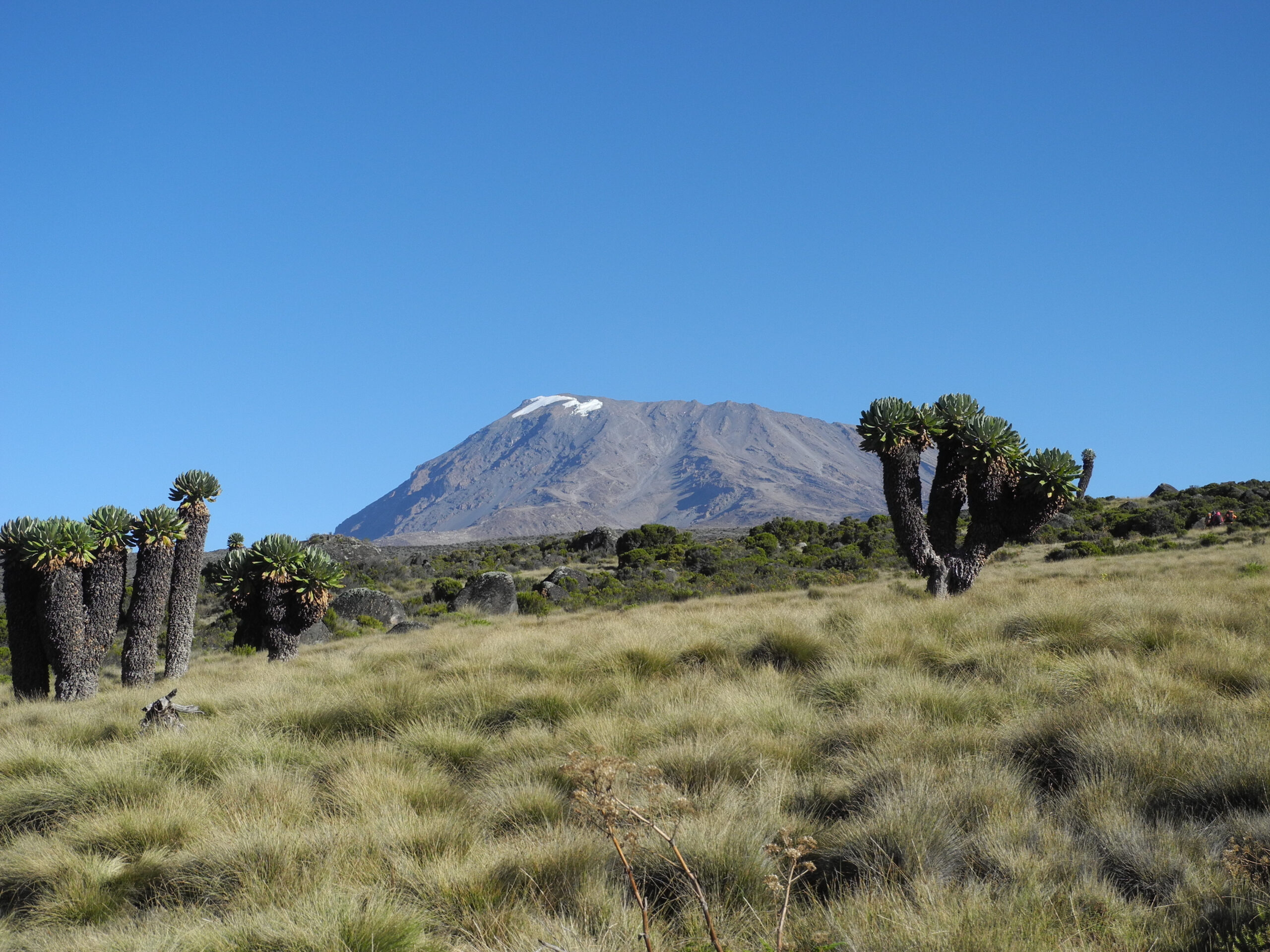

Altitude gained: 638m Departing from Moshi a 4–5hour drive will take you through the coffee plantations and Village of Nale Muru to the Kilimanjaro National Park Gate. We will patiently wait for our permits to be issued while watching the hustle and bustle of operations as many crews prepare for the journey ahead Enjoy the beautiful wooded scenery, and windy trails while your guide tells you about the local flora and fauna and natural wildlife you are likely to see. Simba camp sits near the first cave at the edge of the moorland zone with spectacular views of the plains of Kenya.
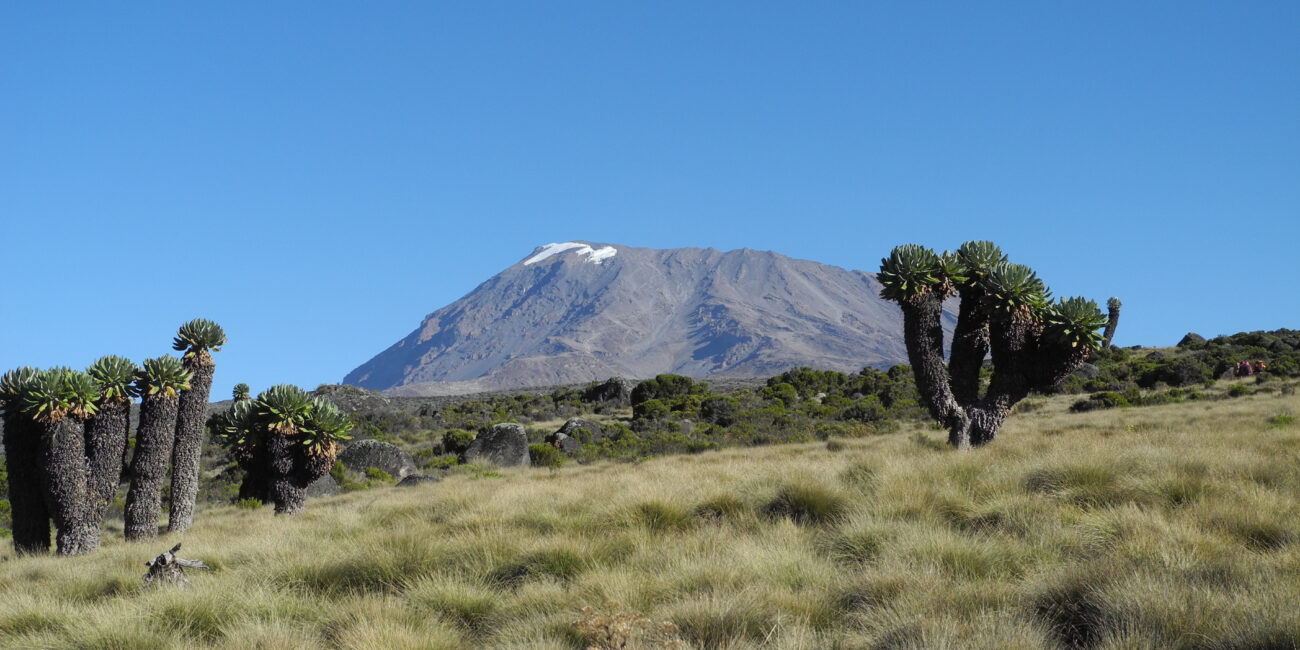
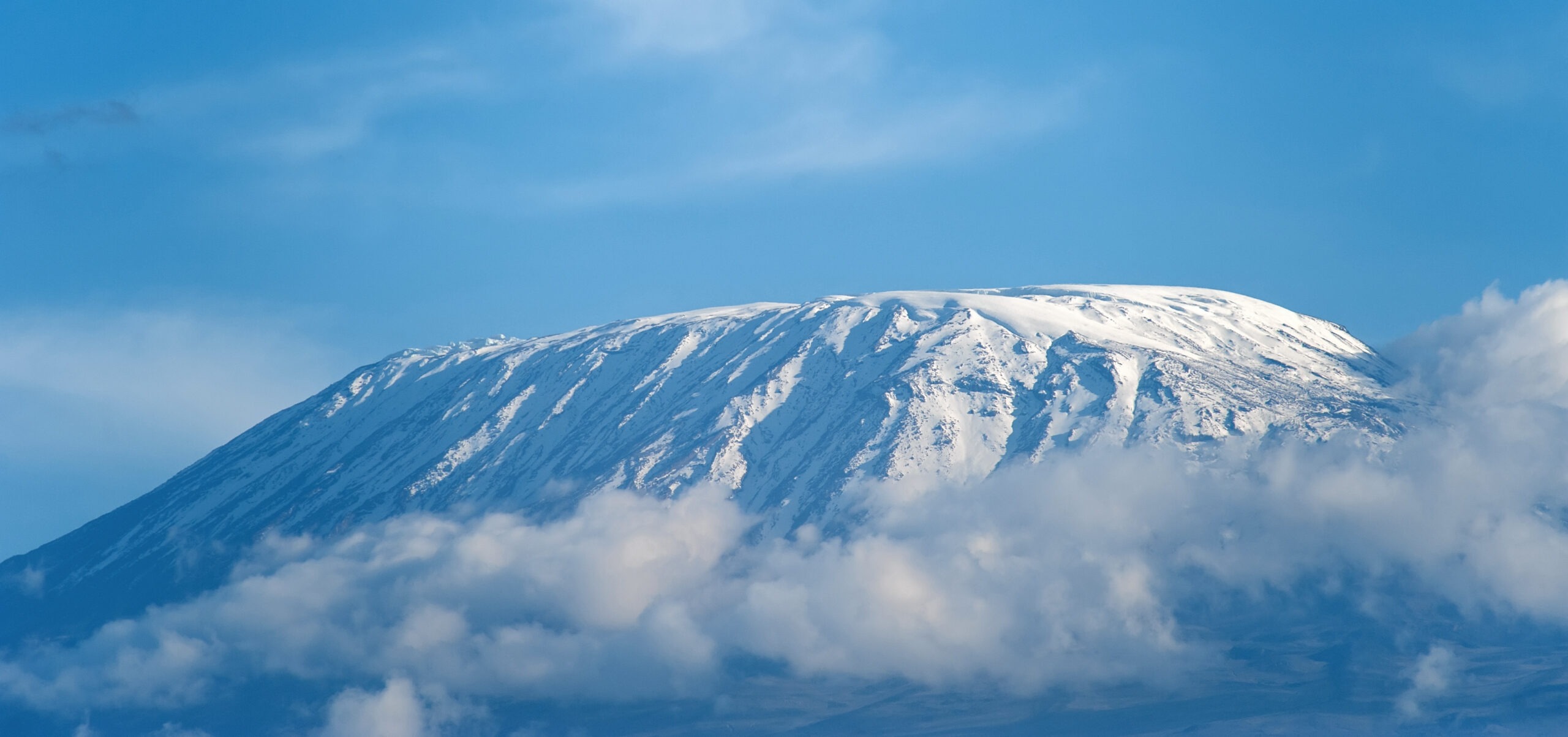
Altitude gained: 852m After a good night sleep and a hearty breakfast, we continue along moorland terrain on a consistent ascending path. You will catch some terrific views of Kibo and get your first glimpse of the ice fields on the Eastern crater rim. The small shrubs of the moorland became thinner as you approve the Second Cave. Temperatures begin to drop.
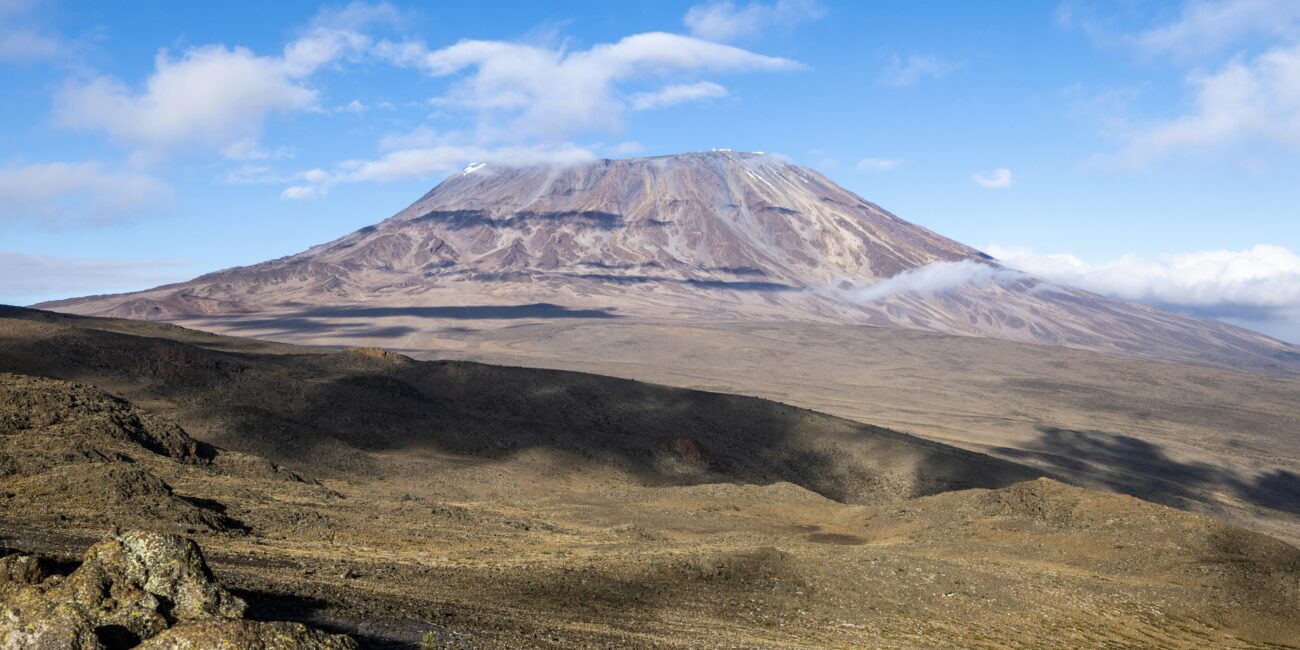
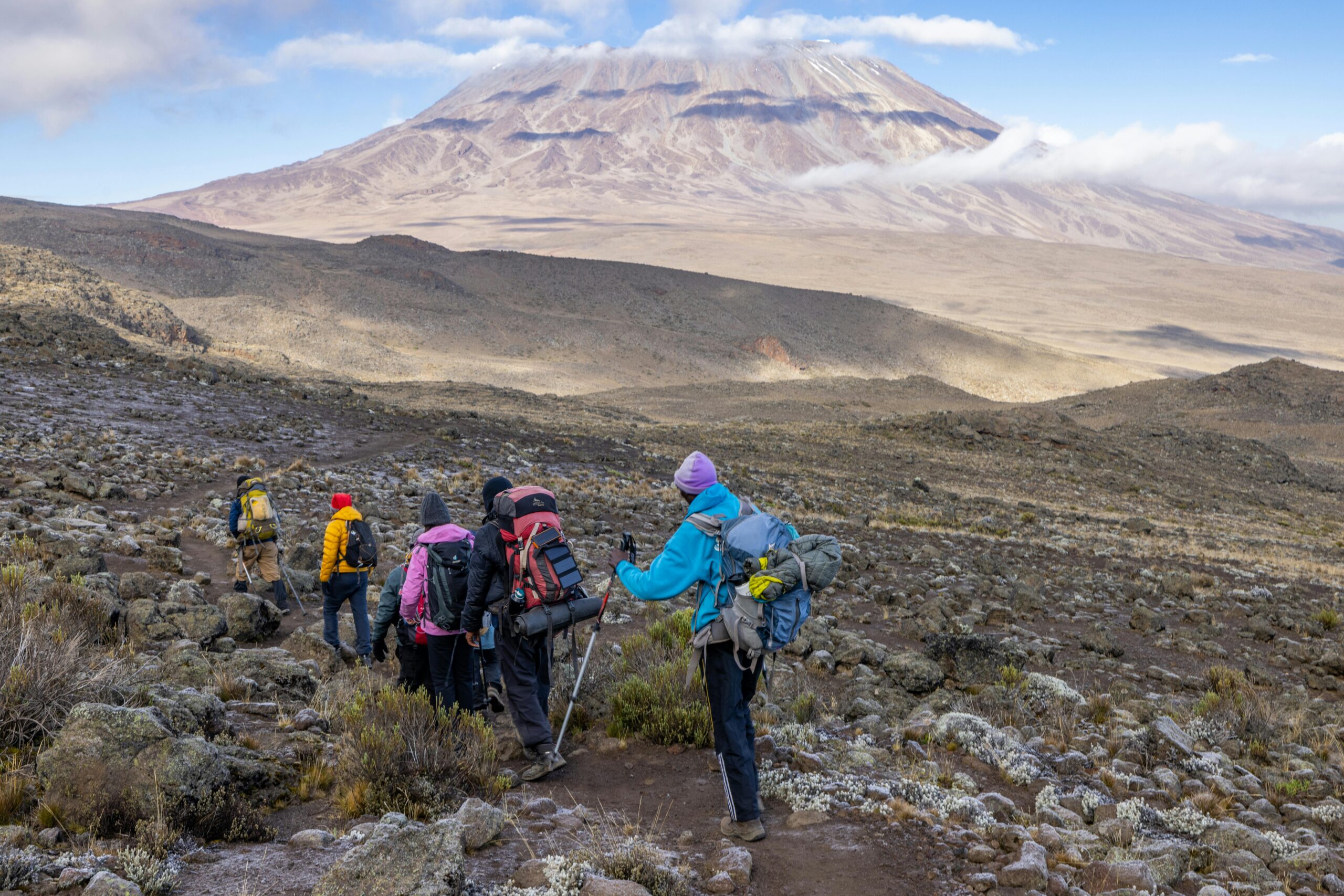
Altitude gained: 449m After breakfast and packing, you continue your stead ascent, entering into the semi-desert terrain. This relatively short hiking day brings you closer to the Easter ice fields, continually drawing your attention to their beauty. Pay attention to your body and keep your guide informed of any signs of altitude sickness.
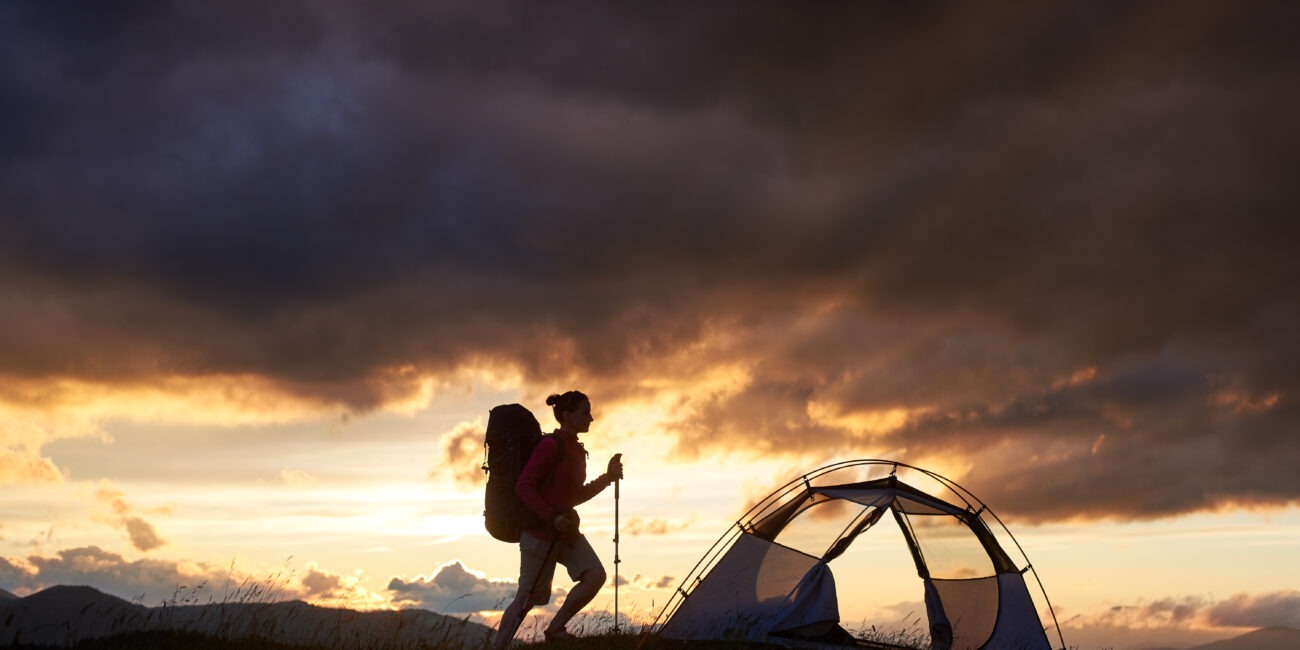
Altitude gained: 1238m As you depart early the semi-desert zone from the Third Cave early in the morning and begin your trek into the Alpine Desert terrain for the remainder of your ascent. Today’s hike will take you just below the Kibo crater wall to the Kibo Huts. At this point, you will merge with the Marangu Route, which you will use to hike to the summit. You will prepare your clothing and equipment (replace batteries for headlamp and camera) before you go to bed by 7 PM and try to catch a few hours of rest before your summit attempt.
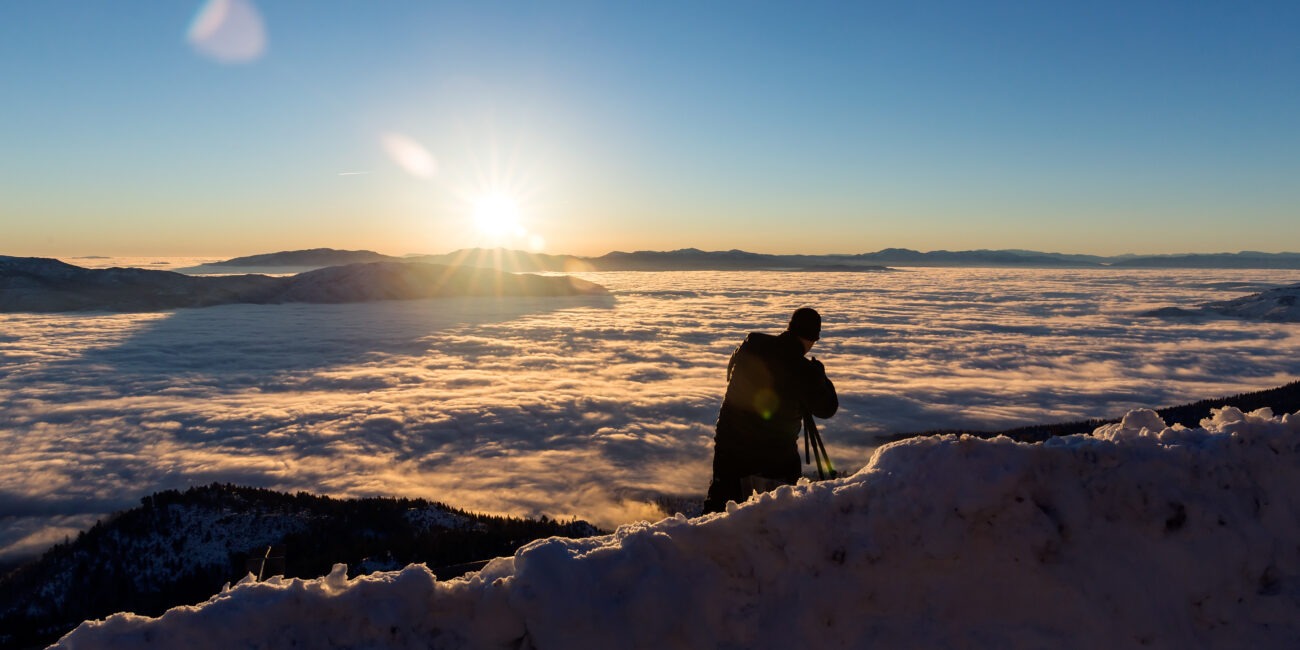
Altitude gained: 721m Descent to 3721m/12,208ft Altitude lost: 2174m Excitement is building as morning comes with an early start between midnight and 2 a.m. This is the most mentally and physically challenging portion of the trek. We continue our way to the summit between the Rebmann and Ratzel glaciers trying to stay warm and focused of the amazing sense of accomplishment that lies ahead. With a switchback motion in a north-westerly direction and ascend through heavy scree towards Stella Point on the crater rim. You will be rewarded with the most magnificent sunrise during your short rest here. Faster hikers may view the sunrise from the summit. From here on your remaining 1-hour ascent to Uhuru Peak, you are likely to encounter snow all the way.
DAY 6: HOROMBO HUTS – MARANGU GATE – MOSHI: 20KM/12.5MI |