Explore Tanzania's iconic northern parks, home to the Great Migration, Africa's Big Five, and some of the continent's most spectacular landscapes.
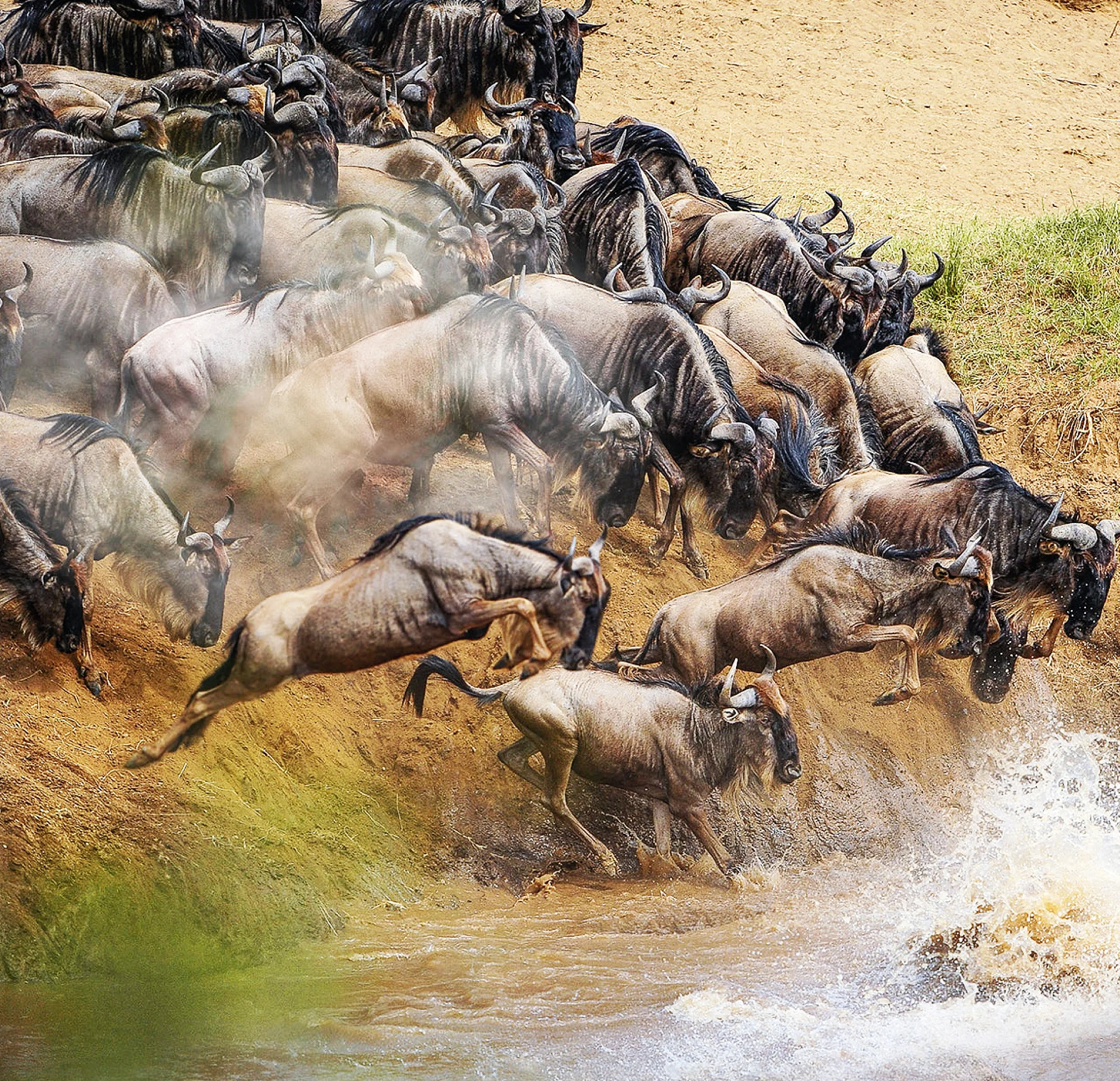
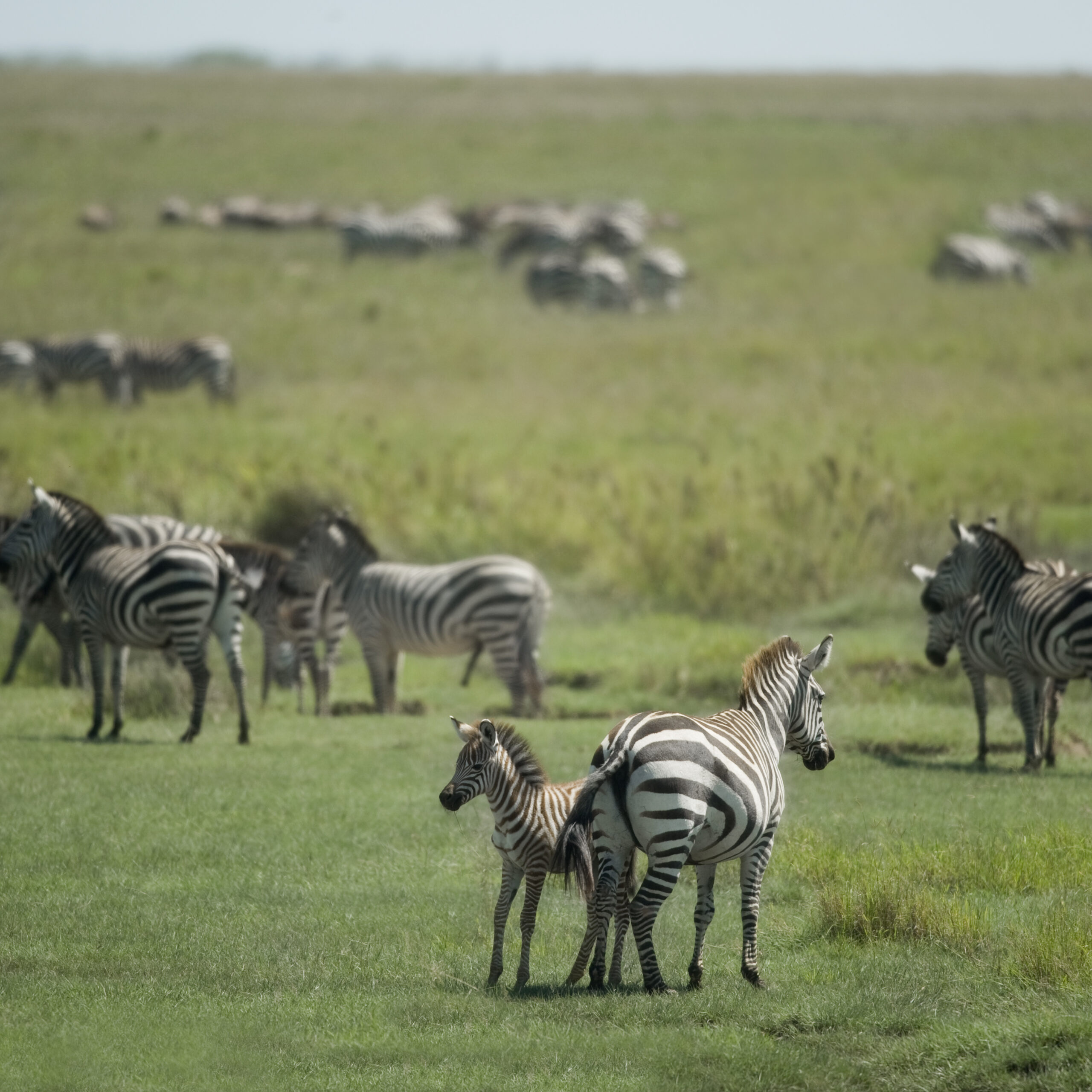
Witness the world's greatest wildlife spectacle - the Great Migration of over 2 million wildebeest and zebras.
Great Migration • Big Five • Endless Plains
The Serengeti is Tanzania's oldest and most famous national park, renowned for its annual migration of over 1.5 million wildebeest and 250,000 zebras. The park's diverse habitats support an exceptional variety of wildlife in one of Africa's most pristine ecosystems.
The world's largest intact volcanic caldera, hosting one of Africa's highest concentrations of wildlife.
Big Five • Black Rhino • Crater Floor
A UNESCO World Heritage Site, the Ngorongoro Crater is the world's largest unbroken caldera. The crater floor is home to approximately 30,000 animals in a truly unique ecosystem.

Famous for its large elephant herds and iconic baobab trees dotting the savannah landscape.
Elephant Herds • Baobab Trees • Tree-Climbing Lions
Tarangire is known for its spectacular concentration of elephants, with herds of up to 300 animals. The park's landscape is dominated by ancient baobab trees and seasonal swamps.
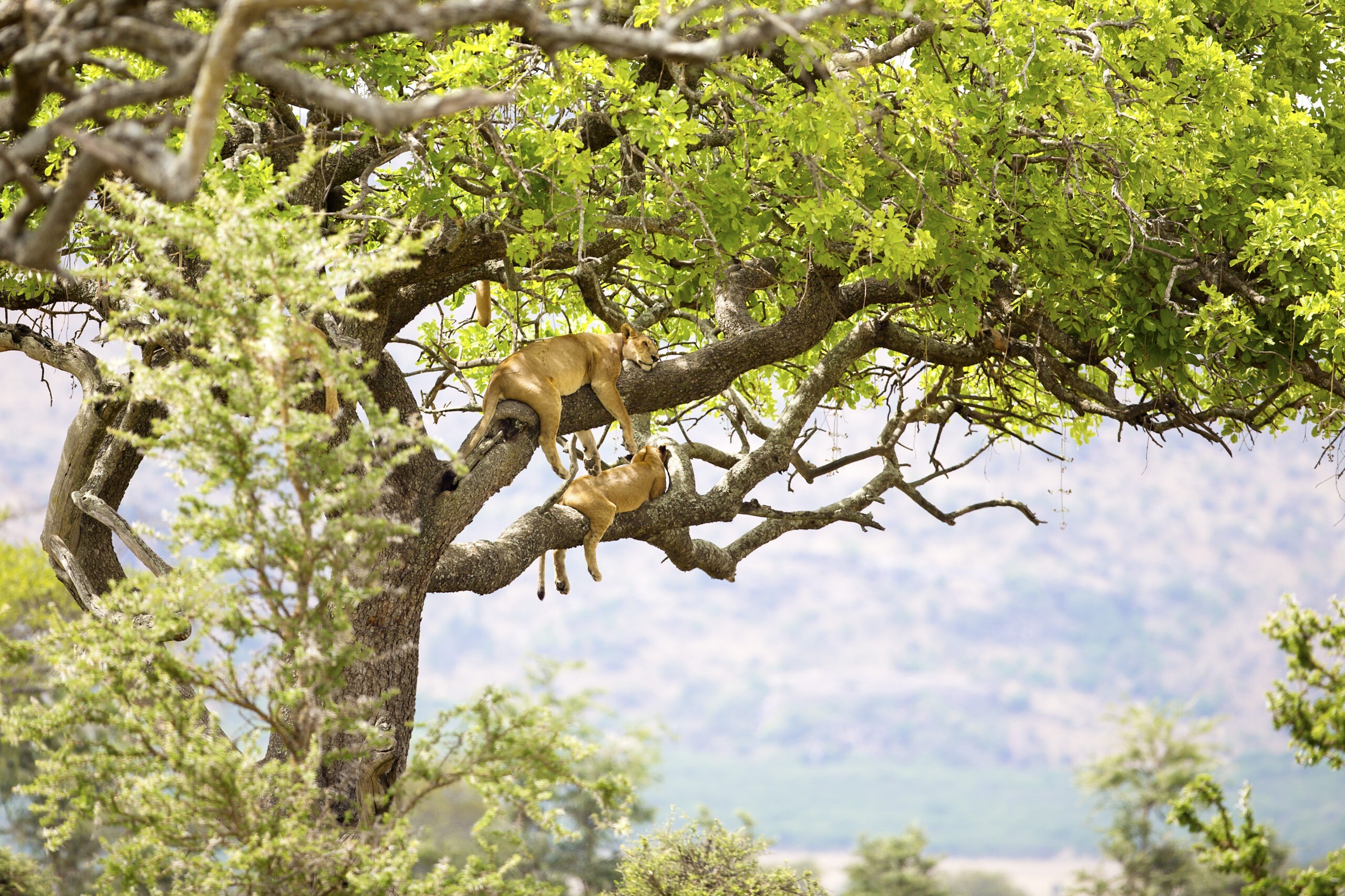
A birder's paradise with flamingo flocks and the famous tree-climbing lions of Tanzania.
Tree-Climbing Lions • Flamingos • Diverse Ecosystems
Lake Manyara offers a stunning diversity of habitats, from the lake itself to dense woodlands and open grasslands. The park is renowned for its tree-climbing lions and massive flocks of flamingos.

Home to Mount Meru, diverse wildlife, and stunning Momella Lakes with spectacular views.
Mount Meru • Colobus Monkeys • Canoe Safaris
Despite being Tanzania's smallest park, Arusha National Park offers incredible diversity - from the Momella Lakes to the towering Mount Meru. It's perfect for walking safaris and offers stunning views of Kilimanjaro.

Africa's highest peak and the world's tallest free-standing mountain at 5,895 meters.
Uhuru Peak • Trekking Routes • Glaciers
Kilimanjaro National Park protects Africa's highest mountain. The snow-capped peak is a dormant volcano with three volcanic cones. Climbing Kilimanjaro is a bucket-list adventure for many travelers worldwide.
Discover Tanzania's untouched wilderness in the remote southern parks, offering exclusive safari experiences away from the crowds.

Formerly Selous, Africa's largest protected wildlife reserve with pristine wilderness and boat safaris.
Boat Safaris • Wild Dogs • Rufiji River
Africa's largest wildlife reserve and UNESCO World Heritage Site, renamed from Selous Game Reserve. The Rufiji River system is the park's lifeline, offering unique boat safari experiences.
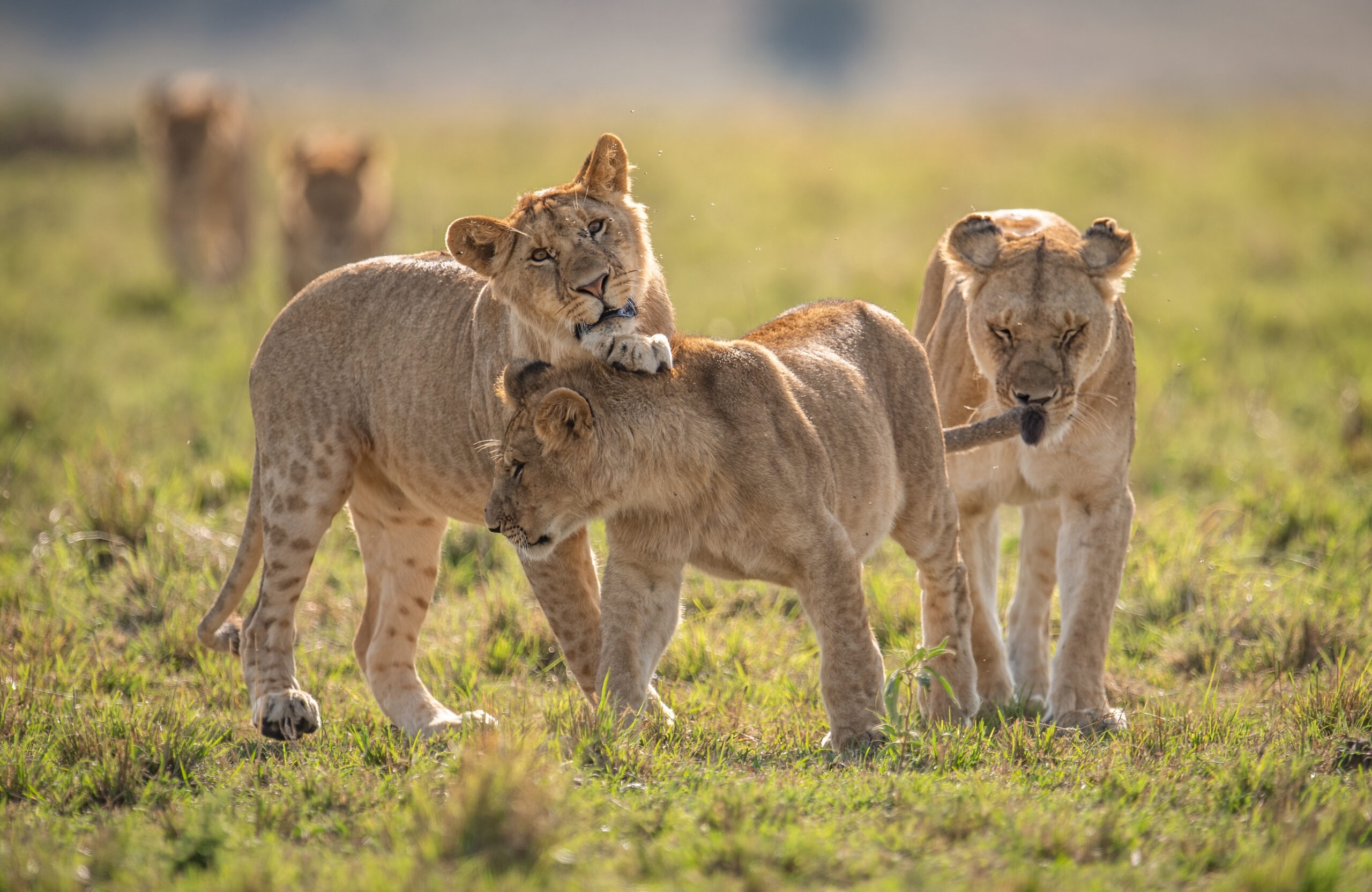
Tanzania's largest national park with massive elephant populations and dramatic baobab landscapes.
Largest Elephant Population • Predators • Remote Wilderness
Tanzania's largest national park, Ruaha offers wild and remote safari experiences. The Great Ruaha River is the park's lifeblood, attracting enormous concentrations of wildlife during the dry season.

Accessible southern park with open horizons and abundant wildlife along the Mkata Floodplain.
Lions • Giraffes • Mkata Floodplain
Mikumi is the most accessible park in the southern circuit, bordering the Selous. The Mkata Floodplain offers excellent game viewing with open horizons comparable to the Serengeti.

Biodiverse rainforest with endemic species, waterfalls, and exceptional hiking trails.
Endemic Primates • Waterfalls • Hiking
The Udzungwa Mountains are part of the Eastern Arc Mountains, a biodiversity hotspot. The park protects one of Tanzania's most important forests, with many endemic species found nowhere else on Earth.

Remote western park with vast buffalo herds and enormous pods of hippos in seasonal lakes.
Buffalo Herds • Hippo Pools • Untouched Wilderness
One of Tanzania's most remote parks, Katavi offers a true wilderness experience. During the dry season, the seasonal lakes become hippo-filled pools and attract massive herds of buffalo.
Venture to Tanzania's most remote western parks along Lake Tanganyika's pristine shores, offering extraordinary chimpanzee encounters and truly off-the-beaten-path wilderness experiences.

Pristine chimpanzee sanctuary on Lake Tanganyika's shores with crystal-clear waters and forest-beach ecosystems.
Chimpanzee Trekking • Lake Tanganyika • Beach & Forest
Accessible only by boat, Mahale offers one of Africa's most exclusive safari experiences. The park is home to habituated chimpanzee communities living in pristine montane forest on the shores of Lake Tanganyika.

Tanzania's smallest park, famous as Jane Goodall's chimpanzee research site on Lake Tanganyika's eastern shore.
Jane Goodall Legacy • Chimpanzees • Lake Views
Gombe Stream National Park is where Jane Goodall began her groundbreaking chimpanzee research in 1960. This tiny park offers intimate encounters with habituated chimpanzees in a stunning lakeside setting, accessible only by boat from Kigoma.